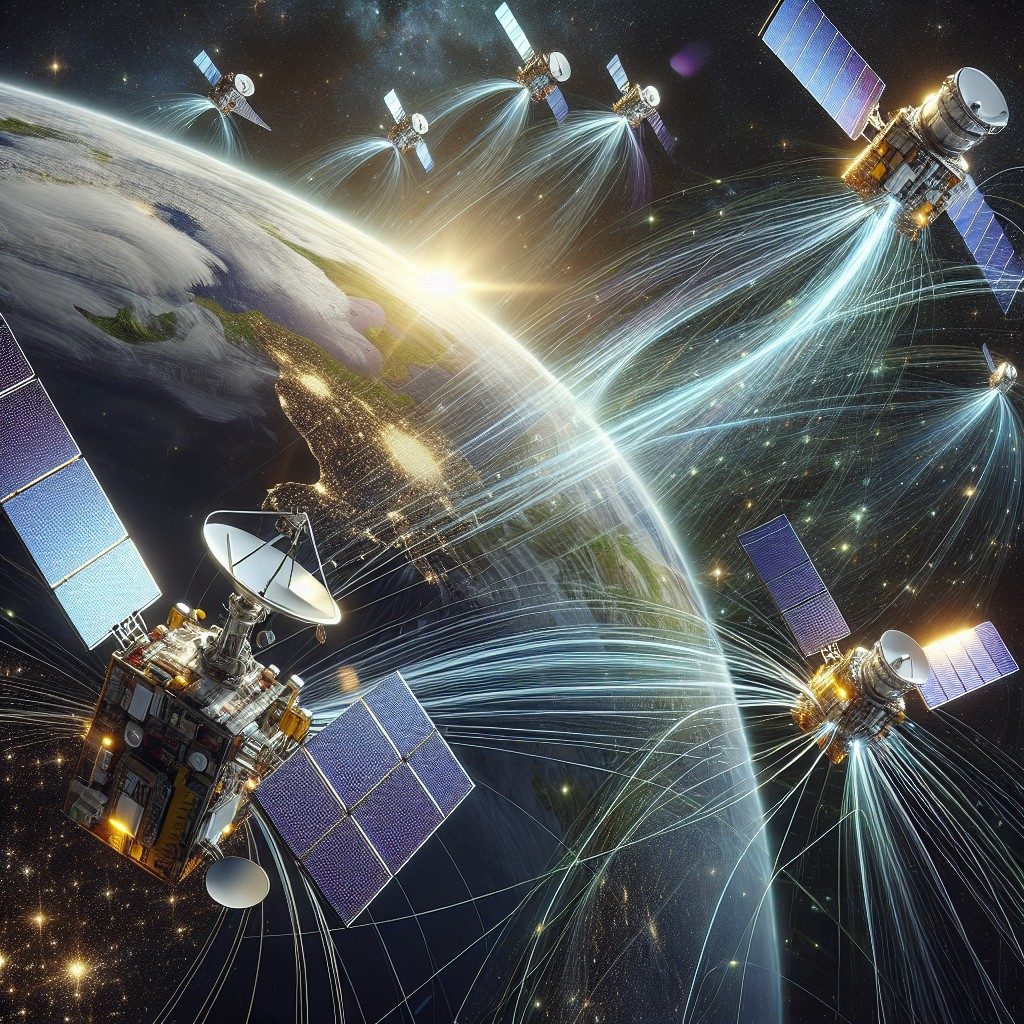
Satellite internet has emerged as a notable option for enhancing connectivity in regions with limited access to traditional broadband networks. In Romania, the adoption of satellite internet is growing, particularly in rural and hard-to-reach areas. Understanding who benefits most from this technology and what considerations to take into account before making the switch is essential for consumers seeking reliable and high-speed internet access.
Current state of internet connectivity in Romania
Romania has made significant strides in improving internet infrastructure, boasting some of the fastest fixed broadband speeds in Europe. However, coverage disparities remain, especially in remote and mountainous regions. Conventional fiber optic and DSL services often do not reach these areas, leaving residents with slower or less reliable connections. In this context, satellite internet provides an alternative means to bridge the digital divide and ensure broader access.
Who benefits most from satellite internet in Romania?
The primary beneficiaries of satellite internet in Romania are residents and businesses located in rural or isolated locations where terrestrial internet infrastructure is lacking or insufficient. Agricultural enterprises, remote educational institutions, and small businesses operating outside urban centers often find satellite internet to be their most viable connectivity solution. Additionally, emergency services and seasonal operations that require temporary yet robust connection can rely on satellite services to fulfill their communication needs.
Key factors to consider before switching to satellite internet
While satellite internet offers expanded coverage, prospective users must weigh various factors before committing. One important consideration is latency, as satellite connections typically have higher latency compared to fiber-optic networks due to the distance signals must travel to and from orbiting satellites. This can affect real-time applications such as video conferencing or online gaming. Data caps and monthly usage limits also vary among satellite providers, potentially impacting heavy users. Weather conditions can influence service quality, with heavy rain or snow occasionally disrupting signal strength.
Cost implications and service options
The pricing structure of satellite internet in Romania varies depending on the provider and service tier. Initial installation fees can be higher than those of traditional internet options due to the equipment required, such as satellite dishes and modems. Monthly subscription fees may also differ, but in many cases, satellite internet remains competitive when factoring in the absence of alternative reliable options. Users should compare service plans carefully, evaluating bandwidth allowances, speed promises, customer support, and contract terms.
Technological advancements shaping satellite internet services
Recent innovations in satellite technology, including the deployment of low Earth orbit (LEO) satellites by international companies, are enhancing the quality and accessibility of satellite internet worldwide. These advancements promise lower latency and higher speeds, potentially transforming the experience for Romanian users. The European Space Agency and global telecommunications firms continue to foster developments that may reduce costs and improve reliability, making satellite internet a more attractive choice.
As more international satellite internet ventures expand their footprint, Romanian consumers are likely to see improved service offerings and competitive alternatives to traditional broadband. For detailed insights on satellite internet technology and initiatives, reputable sources like the BBC Technology section and the International Telecommunication Union provide comprehensive coverage.
Conclusion: satellite internet’s role in Romania’s connectivity future
Satellite internet is playing an increasingly vital role in extending internet access to underserved areas within Romania. While it is not without limitations such as latency and potential weather-related disruptions, its ability to reach remote locations where other technologies cannot is invaluable. Continued technological improvements and competitive service offerings are expected to enhance its feasibility over the coming years. Consequently, satellite internet represents a practical solution for bridging Romania’s digital gap, provided users carefully evaluate their specific needs and service options prior to switching.
Frequently Asked Questions about satellite internet
What makes satellite internet a suitable option in Romania?
Satellite internet is particularly suitable in Romania for regions lacking infrastructure for cable or fiber, providing broadband access where terrestrial connections are unavailable or unreliable.
How does satellite internet performance compare to traditional broadband?
Satellite internet generally has higher latency and may offer lower speeds than fiber or cable, but it compensates by delivering connectivity in areas without other broadband options.
Are there any data usage limits with satellite internet plans?
Many satellite internet providers implement data caps or fair usage policies, so users should verify plan details to ensure they meet their consumption needs.
What impact do weather conditions have on satellite internet?
Weather such as heavy rain or snow can temporarily degrade signal quality in satellite internet connections, although modern technology aims to mitigate these effects.
Where can I find authoritative information on satellite internet advancements?
Authoritative updates and research on satellite internet are available through international organizations like the International Telecommunication Union and global news outlets such as the BBC Technology section.