Romania is experiencing significant transformations in the grocery shopping sector, driven by advancements in technology and changes in consumer behavior. The integration of grocery tech is reshaping how Romanians shop for food and receive deliveries, accelerating an ongoing digital shift in the retail industry.
The rise of online grocery shopping
In recent years, online grocery shopping has gained considerable traction in Romania, supported by improved internet infrastructure and growing smartphone penetration. Consumers increasingly prefer the convenience and time-saving features of purchasing groceries online through dedicated platforms and mobile applications. This shift is partly fueled by urbanization and changing lifestyles, with busy consumers seeking alternatives to traditional supermarket visits.
Innovations in payment and checkout systems
Technological advances in payment methods are also influencing grocery tech in Romania. Contactless payments, mobile wallets, and integrated digital loyalty programs have become commonplace options. Many retailers now offer in-app payment functionalities, enabling seamless transactions and faster checkouts both online and in-store. These improvements have encouraged higher adoption rates of digital grocery services among Romanian shoppers.
Impact of delivery services on consumer habits
Delivery services linked to grocery tech have transformed shopping dynamics by providing faster and more flexible options. Companies have invested in expanding delivery networks and optimizing logistics to shorten delivery times, including same-day and next-day delivery options. The convenience of home delivery has proved appealing especially in major cities like Bucharest, Cluj-Napoca, and Timisoara, influencing consumer expectations and shopping frequency.
Adoption of automation and AI in Romanian grocery retail
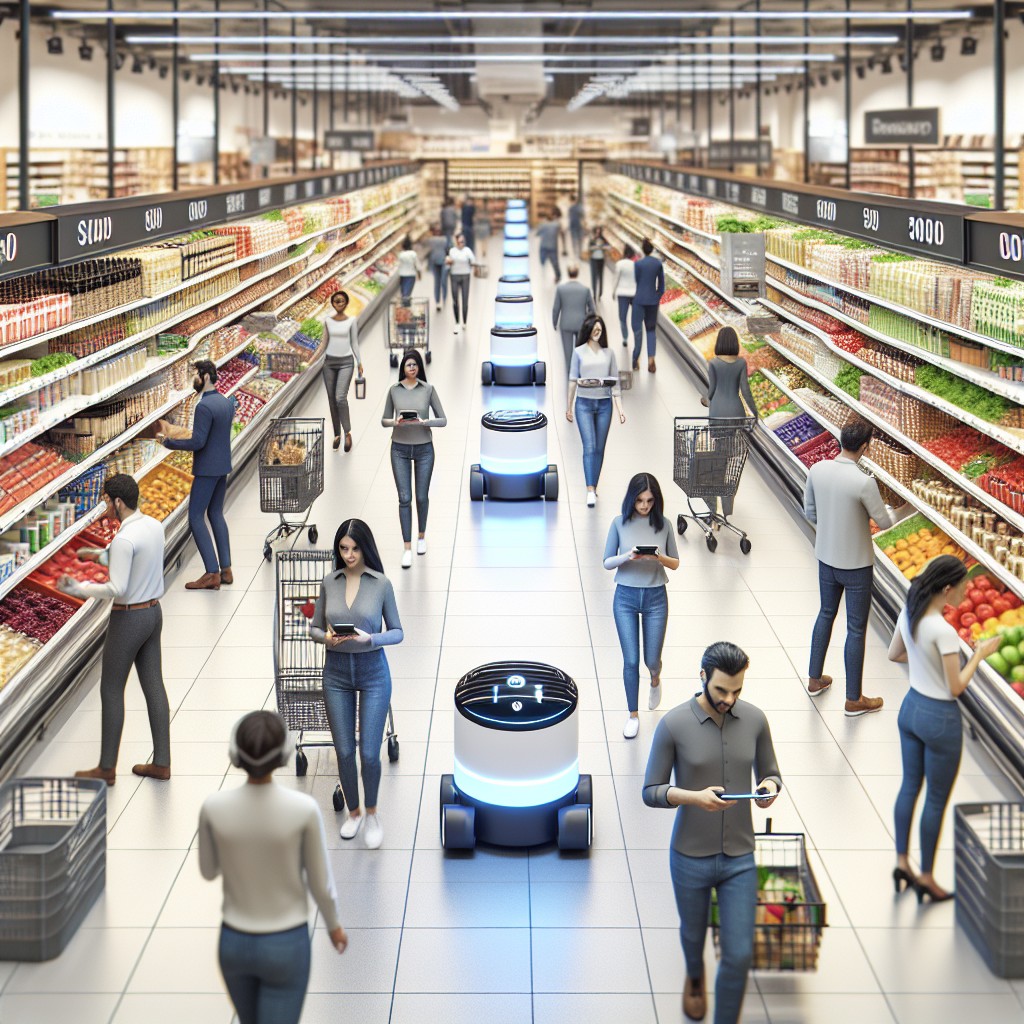
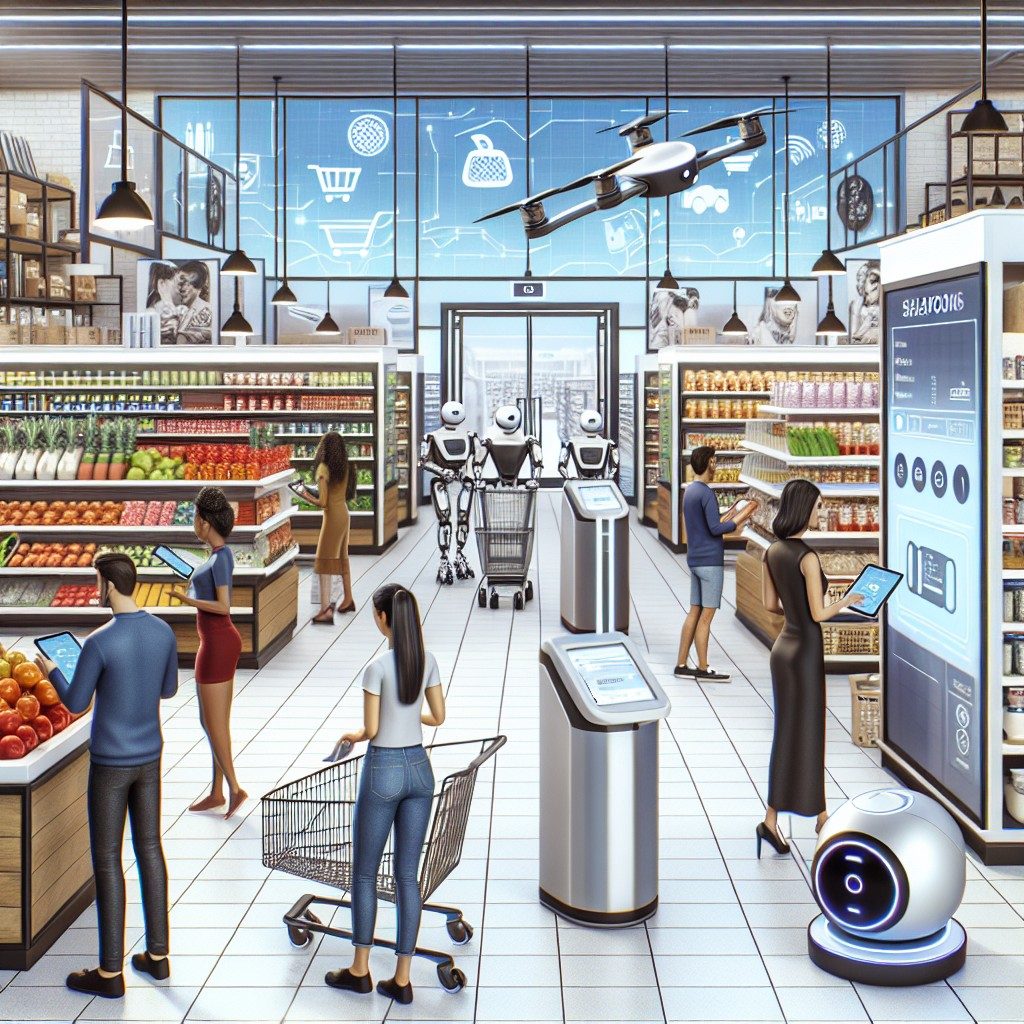
Retailers in Romania are beginning to implement automation and artificial intelligence to enhance the efficiency and accuracy of inventory management and customer service. Automated warehouses and AI-driven demand forecasting tools help reduce waste and ensure product availability. Additionally, chatbots and virtual assistants on grocery platforms assist customers with personalized recommendations, further integrating grocery tech into the shopping experience.
Challenges and prospects for grocery tech growth
Despite notable progress, challenges remain for the expansion of grocery tech in Romania. Infrastructure limitations in rural areas, consumer trust in digital payment systems, and competition from traditional retail outlets affect the pace of adoption. However, ongoing investment in technology and increasing consumer openness suggest a strong growth trajectory. Government initiatives and private sector partnerships are anticipated to play key roles in overcoming current barriers.
Conclusion
The grocery sector in Romania is undergoing rapid transformation through the adoption of grocery tech, including online shopping platforms, innovative payment solutions, advanced delivery services, and automation. These changes are altering consumer habits and retail operations in measurable ways. Looking ahead, the continued integration of technology is expected to deepen, enhancing convenience and efficiency for both retailers and consumers in Romania’s evolving grocery market.
Frequently Asked Questions about grocery tech
What is grocery tech and how is it relevant in Romania?
Grocery tech refers to technological innovations applied in the grocery retail sector, such as online shopping platforms, digital payments, and delivery solutions. In Romania, grocery tech is increasingly relevant as it enables convenience and efficiency amid shifting consumer preferences.
How has grocery tech influenced delivery services in Romania?
The adoption of grocery tech has significantly improved delivery services by enabling faster order processing, real-time tracking, and flexible delivery options, thereby meeting consumer demand for quicker and more reliable home deliveries in Romania.
Are Romanian consumers using grocery tech mainly in cities or rural areas?
While grocery tech adoption is more pronounced in urban centers like Bucharest and Cluj-Napoca due to better infrastructure and connectivity, rural areas are gradually seeing increased access, though challenges remain.
What role do automation and AI play in Romanian grocery tech?
Automation and AI help Romanian grocery retailers optimize inventory management, predict demand, and provide personalized customer interactions, which improves operational efficiency and enhances user experience.
What challenges does grocery tech face in Romania?
Challenges include infrastructure gaps in rural regions, consumer trust issues with digital payments, and competition from established traditional retailers, all of which impact the rapid and widespread adoption of grocery tech in Romania.