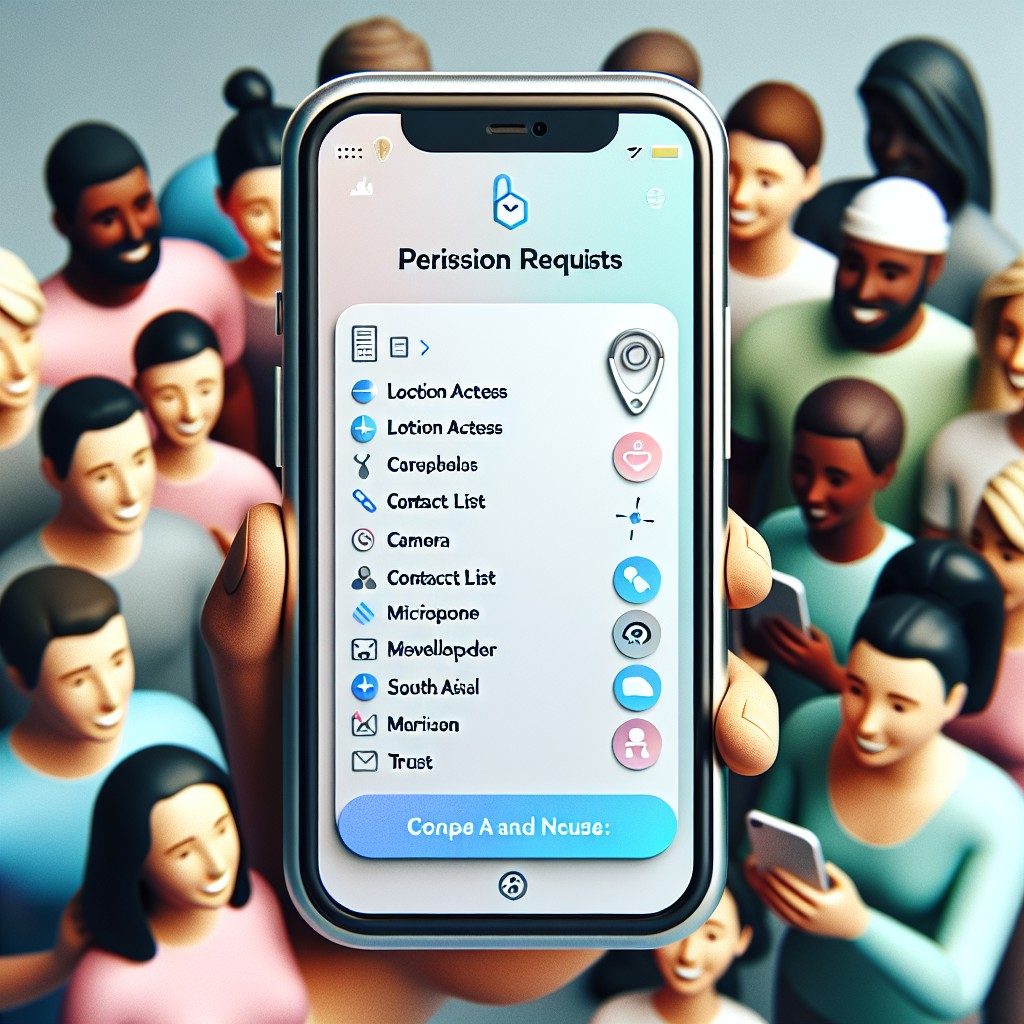
In the ever-evolving digital landscape, app permissions are a critical point of interaction between users and applications. Recent studies suggest that users are more inclined to accept permission prompts when they perceive the process as transparent. This article explores the factors contributing to this trend and its implications for privacy and user experience.
The Importance of Transparency in App Permission Requests
Transparency in app permission prompts refers to the clarity and honesty with which apps communicate their data access needs to users. When users understand why an app requests certain permissions, they are more likely to grant access. This openness fosters trust, which is essential for users to feel comfortable sharing sensitive information. The growing demand for transparency is linked to heightened awareness of data privacy issues globally.
How App Developers Implement Transparency in Permission Prompts
Developers increasingly use concise explanations within permission requests to inform users about the purpose behind each permission. For example, instead of a generic prompt, an app might specify that access to location data enhances personalized recommendations. This strategy aligns with guidelines from authorities such as the Federal Trade Commission, which emphasizes clear communication in data practices. Providing context reduces confusion and helps users make informed decisions regarding their data.
User Behavior and Acceptance Rates Related to Transparent Prompts
Research indicates that acceptance rates of app permissions rise when prompts include transparent explanations. Users tend to reject requests that appear intrusive or unnecessary. Transparency mitigates skepticism by linking permissions to tangible benefits within the app experience. For instance, social media applications explaining why contact access improves friend suggestions typically see higher permission acceptance. This behavioral pattern reflects the crucial role of perceived honesty in digital consent mechanisms.
Challenges in Balancing Transparency and User Experience
Despite its benefits, achieving transparency without compromising user experience is complex. Overly detailed prompts can overwhelm users, leading to prompt fatigue or careless acceptance of permissions. Developers must strike a balance by providing sufficient information while maintaining brevity. Additionally, regulatory frameworks differ internationally, requiring adaptable approaches. The use of progressive disclosure and layered information is a growing practice aimed at addressing these challenges.
Future Trends in App Permissions and User Trust
The trajectory of app permissions suggests an increased emphasis on user-centric design and regulatory compliance. Features like granular permission controls and real-time monitoring of app behavior are becoming standard. Organizations such as the World Wide Web Consortium (W3C) are developing standards to support transparency and user empowerment. In the coming years, transparent permission prompts are expected to consolidate as a best practice, enhancing trust and fostering safer digital environments.
Frequently Asked Questions about app permissions
What are app permissions and why are they necessary?
App permissions are authorizations that applications request to access certain device features or data. They are necessary for apps to function properly, such as accessing the camera for photos or location data for maps.
How does transparency in app permissions affect user decisions?
Transparency helps users understand why an app requests specific permissions, which increases trust and the likelihood that users will accept those permission prompts.
Can app permission requests compromise my privacy?
Improper use of app permissions can compromise privacy. However, transparent prompts and clear communication reduce risks by informing users about data use.
Are there regulations governing how app permissions must be presented?
Yes, various regulations, including GDPR and guidelines from authorities like the FTC, require apps to present permission requests clearly and obtain informed user consent.
What should I do if an app asks for unnecessary permissions?
If an app requests permissions unrelated to its functionality, it is advisable to deny those permissions and consider uninstalling the app if transparency is lacking.